 Featured Private
Luxor West Bank: Valley of the Kings and Hatshepsut
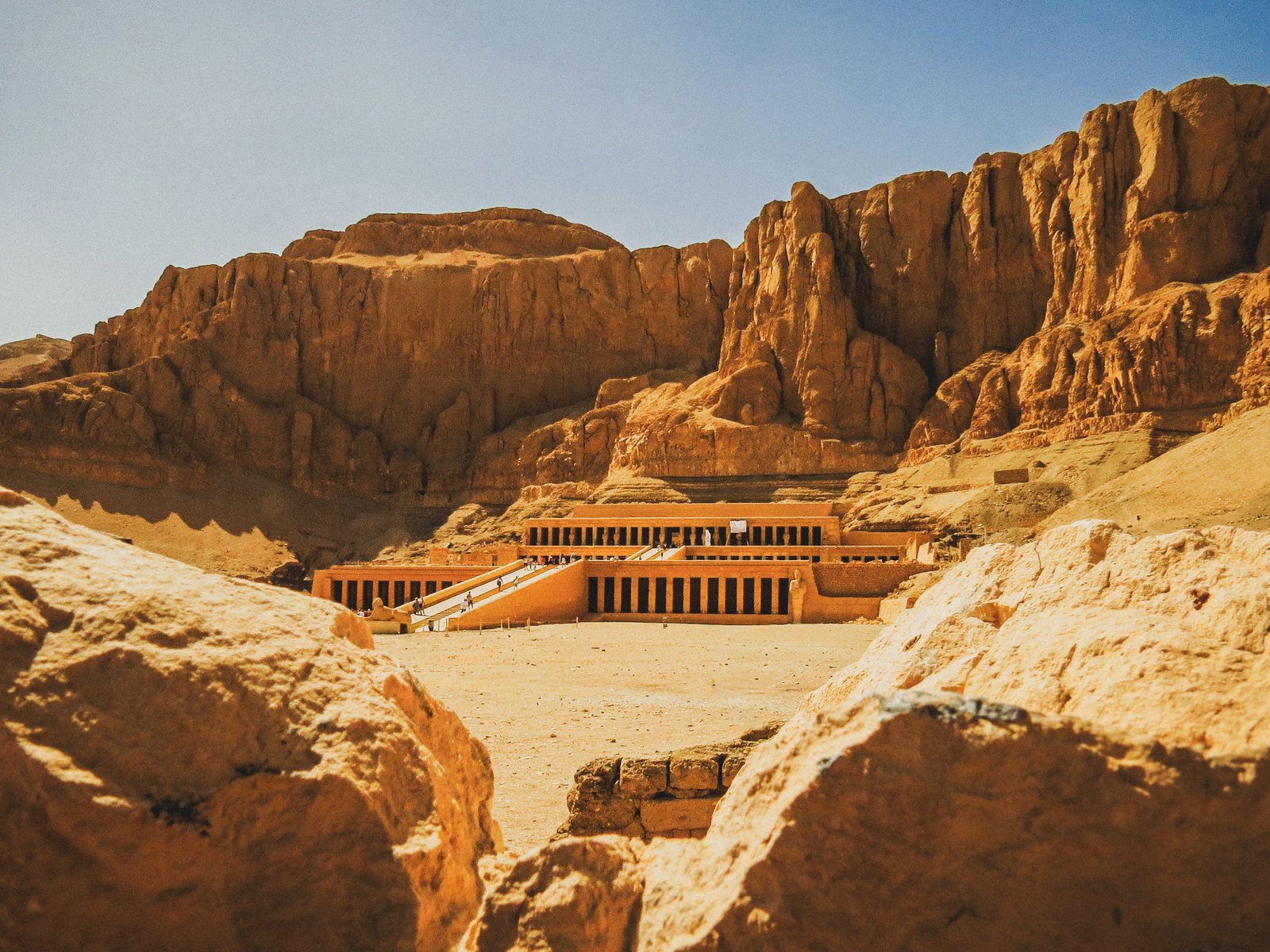
The royal tombs at first light, Hatshepsut's terraced temple against the cliff, and the Colossi of Memnon. T…
From$100
View tour
Upper Egypt
The greatest concentration of ancient monuments on earth, split between the temples of the east bank and the tombs of the west.
Discover Luxor: The Heart of Ancient Thebes
Straddling the majestic Nile River, Luxor is a city of striking dualities. Divided into the bustling East Bank (the city of the living) and the enigmatic West Bank (the city of the dead), it offers an unmatched concentration of ancient Egyptian history. Yet, between the towering columns and royal tombs, Luxor beats with the pulse of authentic daily life, offering deep cultural immersion for those willing to explore its hidden corners.
The East Bank: Monumental Temples and Vibrant Streets
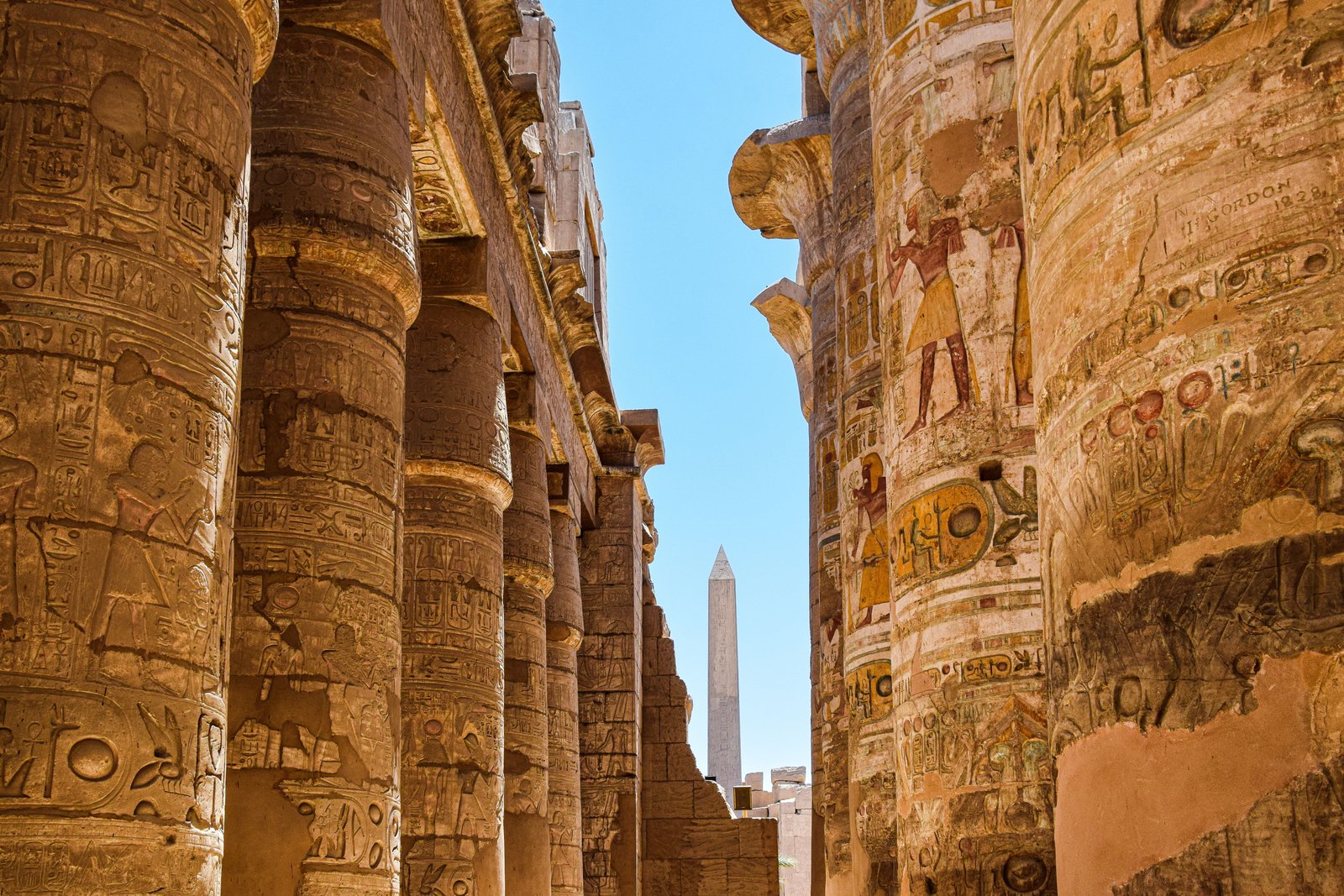
The East Bank is anchored by two massive focal points: the sprawling, awe-inspiring Karnak Temple complex and the beautifully preserved Luxor Temple, seamlessly connected by the newly restored Avenue of Sphinxes. But the true local experience begins when you wander away from the monuments. Dive into the winding, hidden alleys of the local souks to negotiate for spices, alabaster, and textiles. For a true taste of the region, grab a seat at a traditional street-side café, sip on strong local coffee or mint tea, and sample authentic Upper Egyptian and Bedouin-inspired street food that has nourished locals for generations.
The West Bank: The Necropolis and Desert Adventures
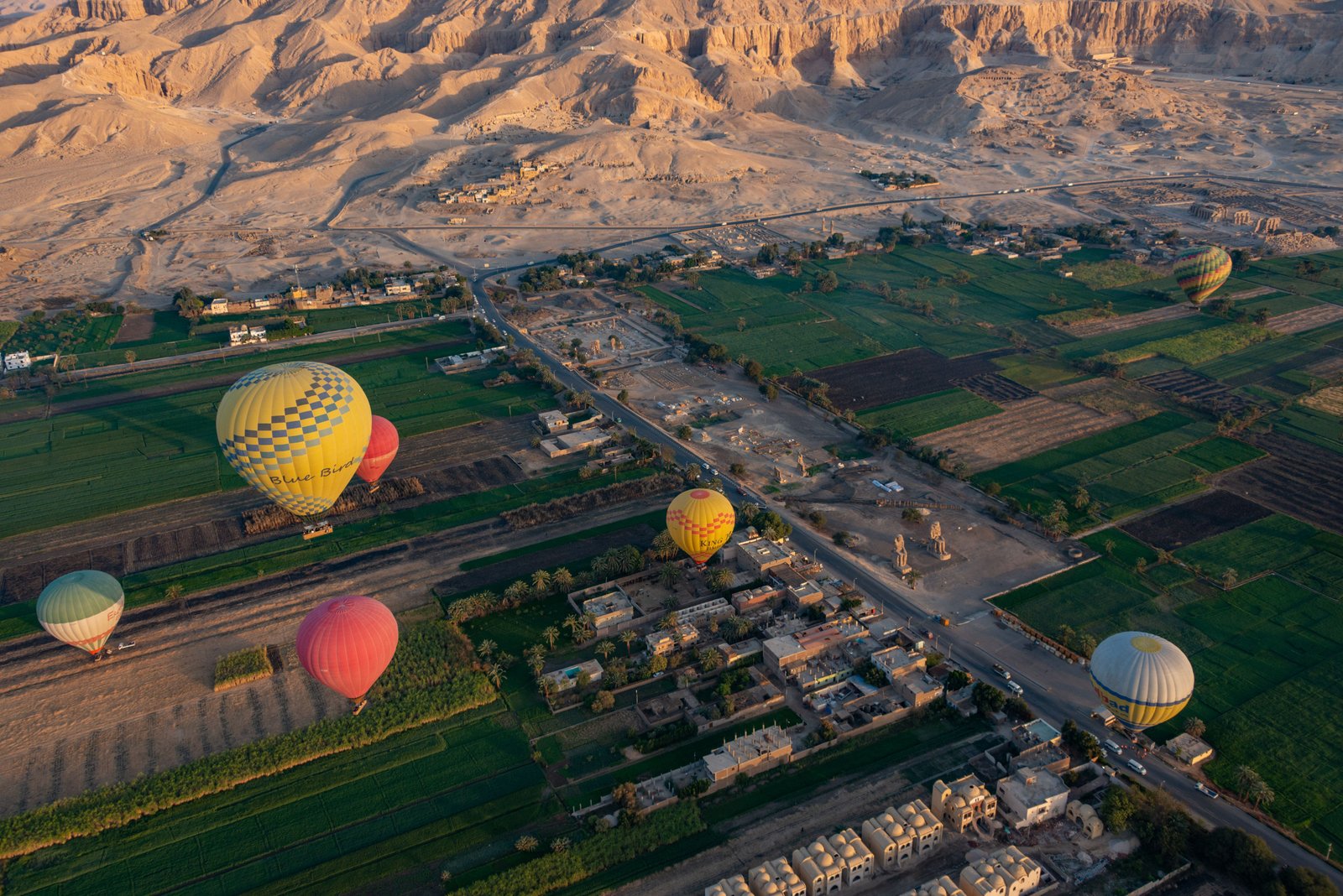
Crossing the Nile reveals the sheer scale of the pharaonic vision. The West Bank is home to the legendary Valley of the Kings, where expertly guided Egyptologist insights bring the vivid, millennia-old tomb paintings to life. Beyond the famous Mortuary Temple of Queen Hatshepsut and the towering Colossi of Memnon, the West Bank offers incredible adventures. Gain a magnificent perspective with a sunrise hot air balloon flight over the ancient ruins, cycle through the fertile, green farming villages that fringe the desert, or end the day drifting peacefully on a traditional wooden felucca as the sun sets over the Nile.
Two full days is the honest minimum — one for the west bank (Valley of the Kings, Hatshepsut, the Colossi) and one for the east (Karnak and Luxor Temple). Three lets you add Medinet Habu, the Valley of the Queens or Dendera, and means the west bank morning does not have to start at dawn and finish at noon in the heat. Most people arriving off a cruise get less than this and feel it.
The standard ticket covers three tombs from the group open that day, and which ones rotate to protect them. Tutankhamun, Seti I and Ramesses V/VI each need a separate ticket. Seti I is the finest tomb in the valley by a distance and the extra ticket is significant; Tutankhamun is historically compelling but small, and the treasures are all at the Grand Egyptian Museum now. Your guide can tell you which of the day's open tombs are worth your three.
For most people, yes — it is the one thing that shows you how the whole west bank fits together, with the Nile, the green strip, the desert and the mortuary temples laid out below. It means a pick-up around 4am and it is weather-dependent, so build it into a morning you can afford to lose. Flights are booked early and cancelled for wind without much notice, which is a good sign rather than a bad one.
The east bank is the city of the living — Karnak, Luxor Temple, the market, the corniche. The west bank is the city of the dead — the royal tombs, the mortuary temples, the Colossi of Memnon. The ancient Egyptians divided them deliberately, following the sun. Practically, it means two distinct days, and crossing by the local ferry rather than driving round is a small pleasure worth having.
Flying takes about an hour and costs a day less of your holiday. The sleeper train is an experience in itself and saves a night's hotel, but it is slow and the cabins are compact. The day train is cheap, comfortable enough and takes the best part of ten hours. We book whichever fits the shape of the trip — on a short itinerary, flying almost always wins.
October to April. Summer temperatures in Upper Egypt regularly pass 40°C and the west bank has almost no shade, which turns the Valley of the Kings from a highlight into an endurance test. If you must come in summer, everything starts at first light and stops by mid-morning.
Tours here
Featured Private
The royal tombs at first light, Hatshepsut's terraced temple against the cliff, and the Colossi of Memnon. T…
 Featured Small group
Up before dawn, over the west bank as the sun comes off the eastern cliffs. The one thing that shows you how…
 Private
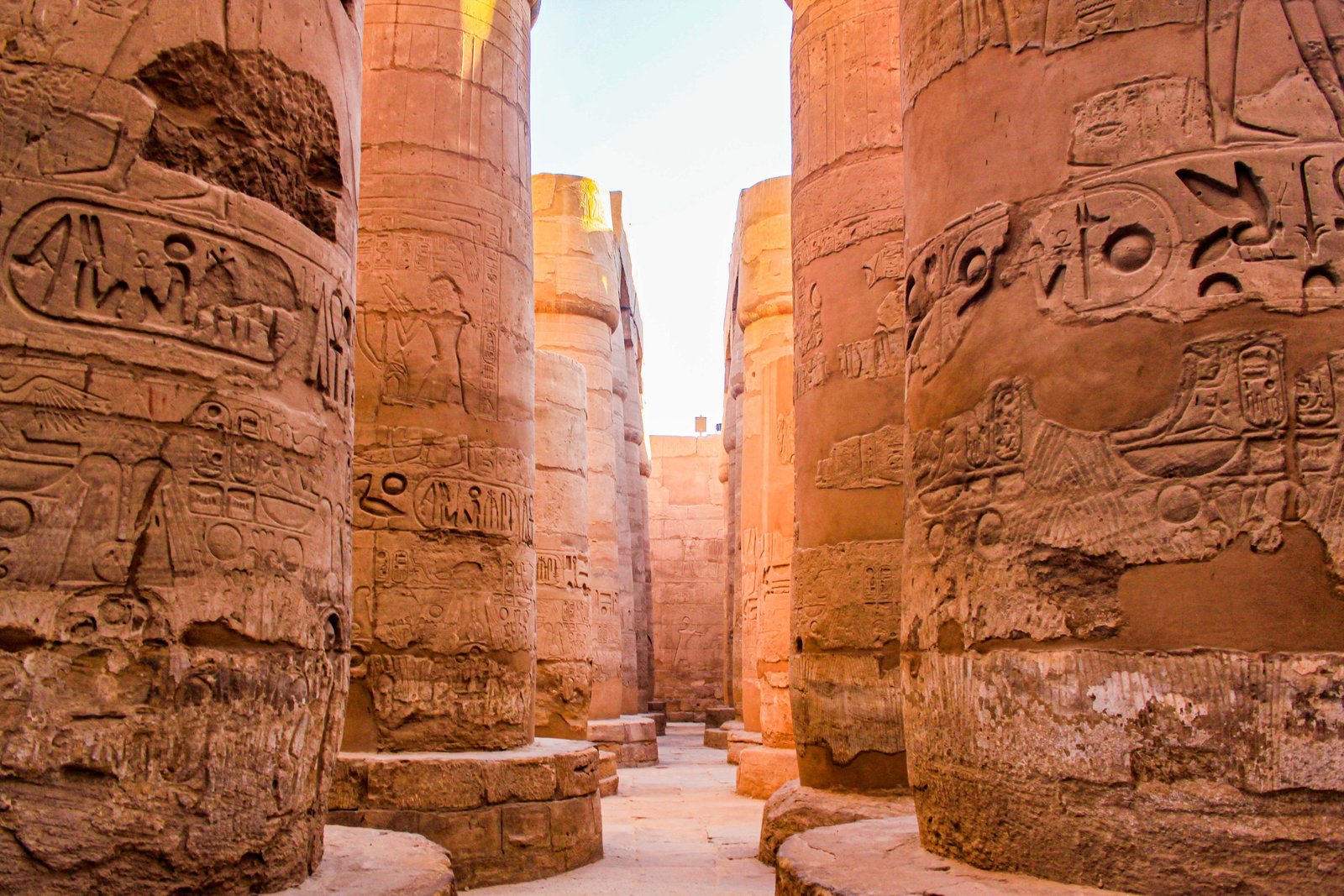
The largest religious building ever constructed, and a temple that is better after dark. Karnak in the morni…
 Private
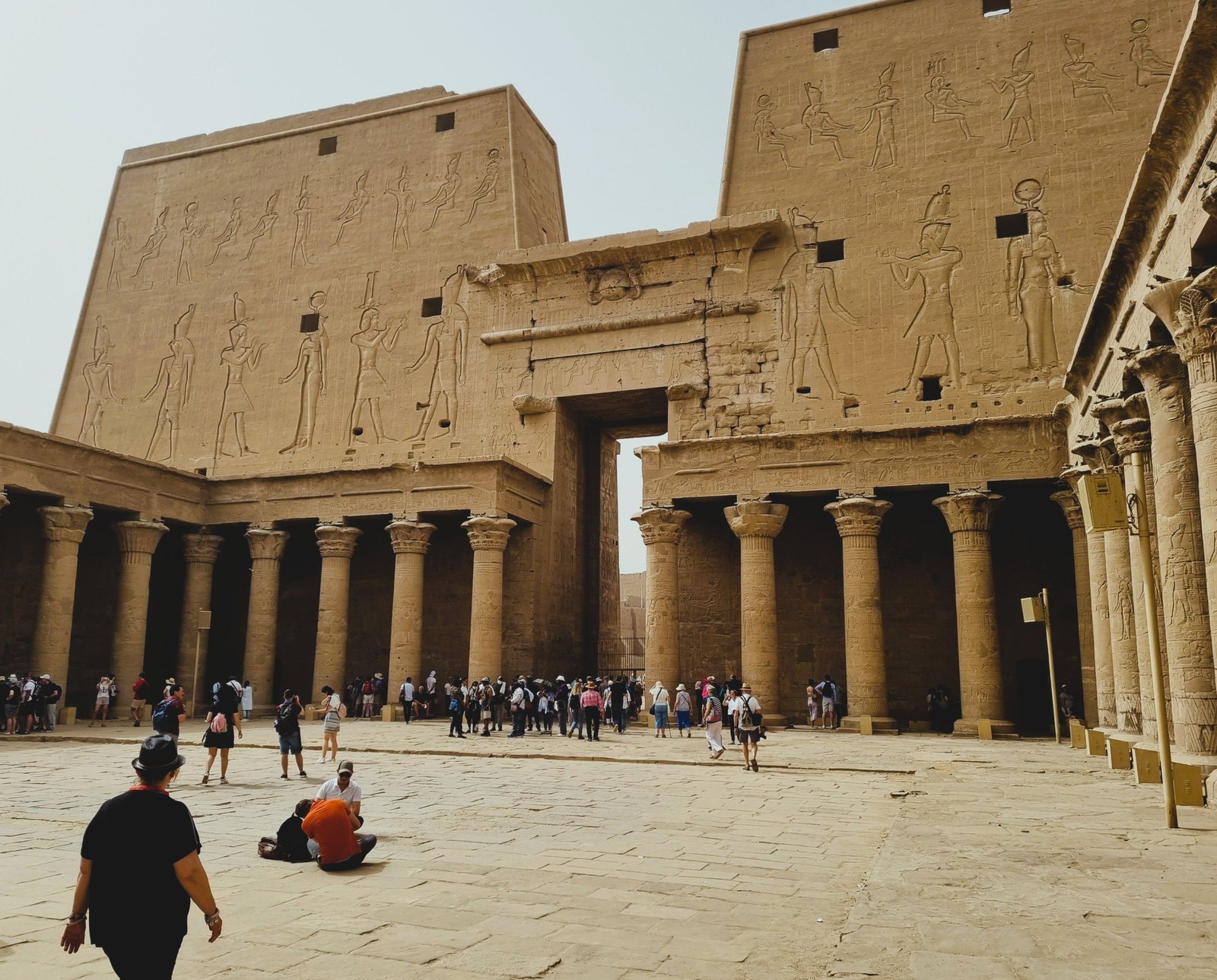
The two best-preserved temples in Egypt, taken as the stops on a private transfer between Luxor and Aswan in…
Start here
Send us your dates and what you would like to see. You will get a considered itinerary and a clear price — usually within one working day.